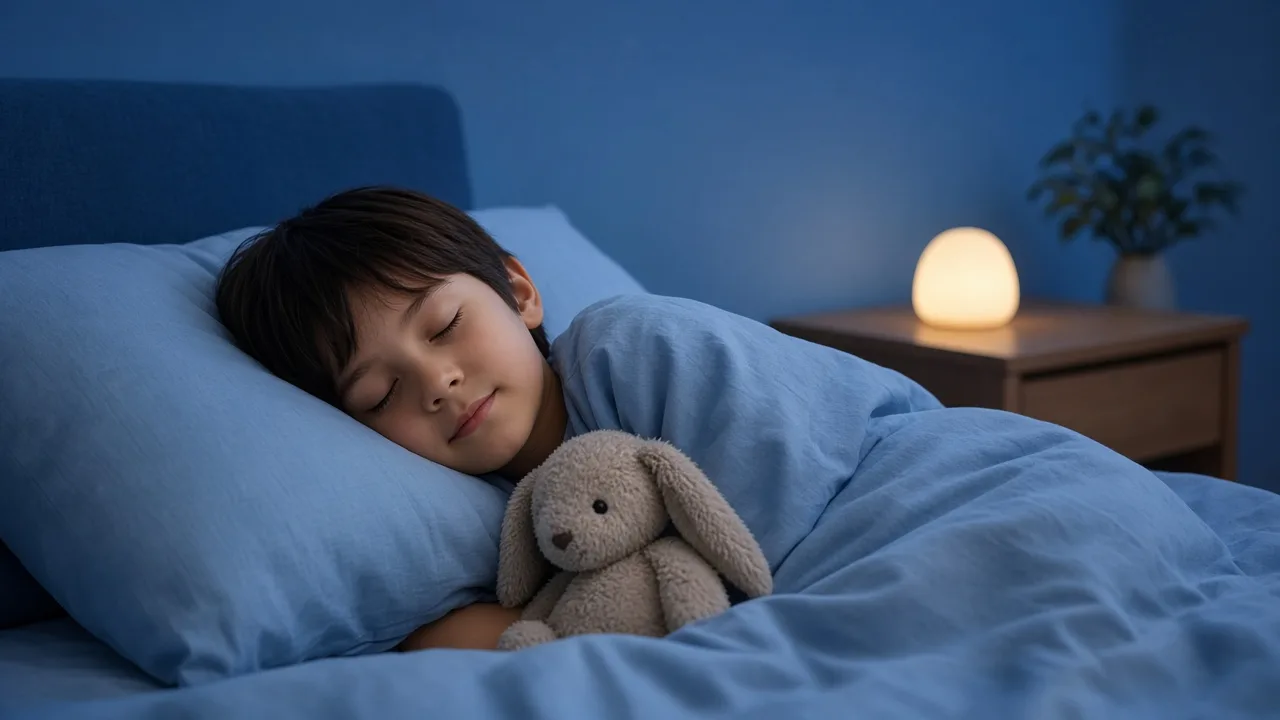

Sleep is as important to children as nutrition and exercise. During sleep, the body grows and repairs itself, and the brain consolidates what a child has learned during the day. Understanding how much rest children typically need can help families set realistic expectations and notice when something may be wrong.
Recommended Sleep Ranges
The American Academy of Sleep Medicine, with support from the American Academy of Pediatrics, has published recommended sleep ranges over a 24-hour period, including naps:
- Infants (4 to 12 months): about 12 to 16 hours.
- Toddlers (1 to 2 years): about 11 to 14 hours.
- Preschoolers (3 to 5 years): about 10 to 13 hours.
- School-age children (6 to 12 years): about 9 to 12 hours.
- Teenagers (13 to 18 years): about 8 to 10 hours.
These ranges are guidelines, not strict rules. Some children need a bit less or more, and what matters is whether your child is rested, alert and in a good mood during the day.
Why Sleep Matters
Adequate sleep supports healthy growth, immune function, attention, mood and learning. Children who do not get enough rest may be irritable, restless or have difficulty concentrating. Interestingly, tired children often become more active rather than sleepy, which can be mistaken for behavior problems.
Signs a Child May Not Be Getting Enough Sleep
- Difficulty waking in the morning.
- Falling asleep in the car or during quiet activities.
- Frequent meltdowns, hyperactivity or trouble focusing at school.
- Needing very long naps on weekends to catch up.
Common Sleep Problems
Many children go through phases of bedtime resistance, night waking or nightmares, and most are temporary. Some problems deserve a conversation with a doctor. Loud, frequent snoring, pauses in breathing, gasping or mouth breathing during sleep can indicate a breathing problem such as sleep apnea. Restless legs, frequent sleepwalking or night terrors that happen often, and persistent insomnia are also worth discussing.
Healthy Sleep Habits
- Set a consistent bedtime and wake time.
- Keep the bedroom dark, quiet and cool.
- Turn off screens before bed and keep devices out of the bedroom.
- Offer daily physical activity and time outdoors in natural light.
- Avoid caffeine, especially in the afternoon and evening.
Teens and Early School Start Times
Adolescents' body clocks shift later, which makes early school start times especially difficult. Parents can help by protecting sleep time, limiting late-night device use and talking about the importance of rest. Naps can help but should not replace nighttime sleep.
Naps and Changing Needs
Most children drop their naps between ages three and five, although the timing varies widely. If a child who has stopped napping becomes cranky in the late afternoon, an earlier bedtime for a few weeks may help. Growth spurts, illness and major life changes can temporarily increase the need for sleep. Observe your child's behavior and energy over time rather than comparing them with siblings or friends, and bring your observations to well-child visits.
When to Seek Advice
If you are concerned about your child's sleep or daytime functioning, keep a simple sleep diary for a week or two and bring it to your pediatrician. Treatment, when needed, can make a significant difference for the entire family.
This article is for general information only and is not a substitute for professional medical advice.

Comments are closed.